


Understanding the financial prospects of any profession is crucial not just for those aspiring to enter the field, but also for employers, policymakers, and the general public. In the field of Applied Behavior Analysis (ABA) therapy, there's growing interest in the compensation of behavioral therapists, considering how crucial their impact is on their clients. This article offers a comprehensive overview of the behavioral therapist salary.
What does a Behavioral Therapist do?
A behavioral therapist, often working within the framework of ABA, focuses on understanding and modifying behavior in individuals, usually those with behavioral challenges or developmental disorders, including Autism Spectrum Disorder (ASD). The therapist uses evidence-based techniques to encourage positive behaviors and reduce harmful or disruptive ones.
Factors Influencing Salary
Several variables can influence the salary of a behavioral therapist:
Education:
Therapists with advanced degrees, such as a master's or Ph.D., usually earn more than those with only a bachelor's degree. Furthermore, Board Certified Behavior Analysts (BCBAs) tend to have higher salaries compared to Registered Behavior Technicians (RBTs).
Experience:
As with many professions, years of experience in the field can significantly impact earnings. Experienced therapists often command higher salaries due to their accumulated expertise and skills.
Location:
Geographical location plays a significant role. Urban areas with a high cost of living or areas with a higher demand for ABA services may offer better compensation.
Employment Setting:
Working in private practices, hospitals, or specialized clinics might offer different pay scales than schools or community centers.
Specializations:
Therapists with expertise in certain areas, like early intervention or severe behavior disorders, may earn more.
Average Salaries
While the figures can vary based on the aforementioned factors, as of 2025:
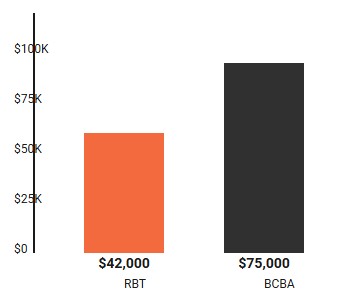
Job Titles | Average Salary (USD/Year) | Salary Range (USD/Year) |
|---|---|---|
RBT (Registered Behavior Technician) | $42,000 | $32,000 - $55,000 |
BCBA (Board Certified Behavior Analyst) | $75,000 | $60,000 - $100,000+ |
- An RBT might earn anywhere from $32,000 to $55,000 annually.
- BCBA’s have significantly higher salaries compared to RBTs, and could earn between $60,000 to $100,000 or more annually.
These figures can fluctuate yearly due to changes in demand, legislation related to health care and special education, and other macroeconomic factors.
Additional Benefits For Behavioral Therapists
Behavioral therapists might receive other benefits, including:
- Professional development opportunities
- Paid time off
- Bonuses and performance incentives
The Future of Behavioral Therapist Salaries
The demand for ABA services has been on the rise, with an increasing recognition of the efficacy of ABA interventions, especially in early intervention for children with ASD. This growing demand could translate into better compensation and more job opportunities for aspiring behavioral therapists.
Conclusion
While the salary is an essential factor in any profession, many behavioral therapists are driven by the profound impact they can make in the lives of individuals and their families. It's a field that requires passion, dedication, and continuous learning. As awareness and acceptance of ABA therapy grows, it's hoped that the compensation packages will reflect the invaluable contributions of these professionals.
At Connect N Care ABA, we believe that true fulfillment comes from making a lasting difference. Our ABA therapy in North Carolina and Virginia are driven not only by their profession but by their passion to empower individuals with autism and developmental challenges. Join us in creating brighter futures, whether you’re a parent seeking support, an educator looking for collaboration, or a professional ready to grow your career.
Learn more about our services and opportunities. Contact us today!