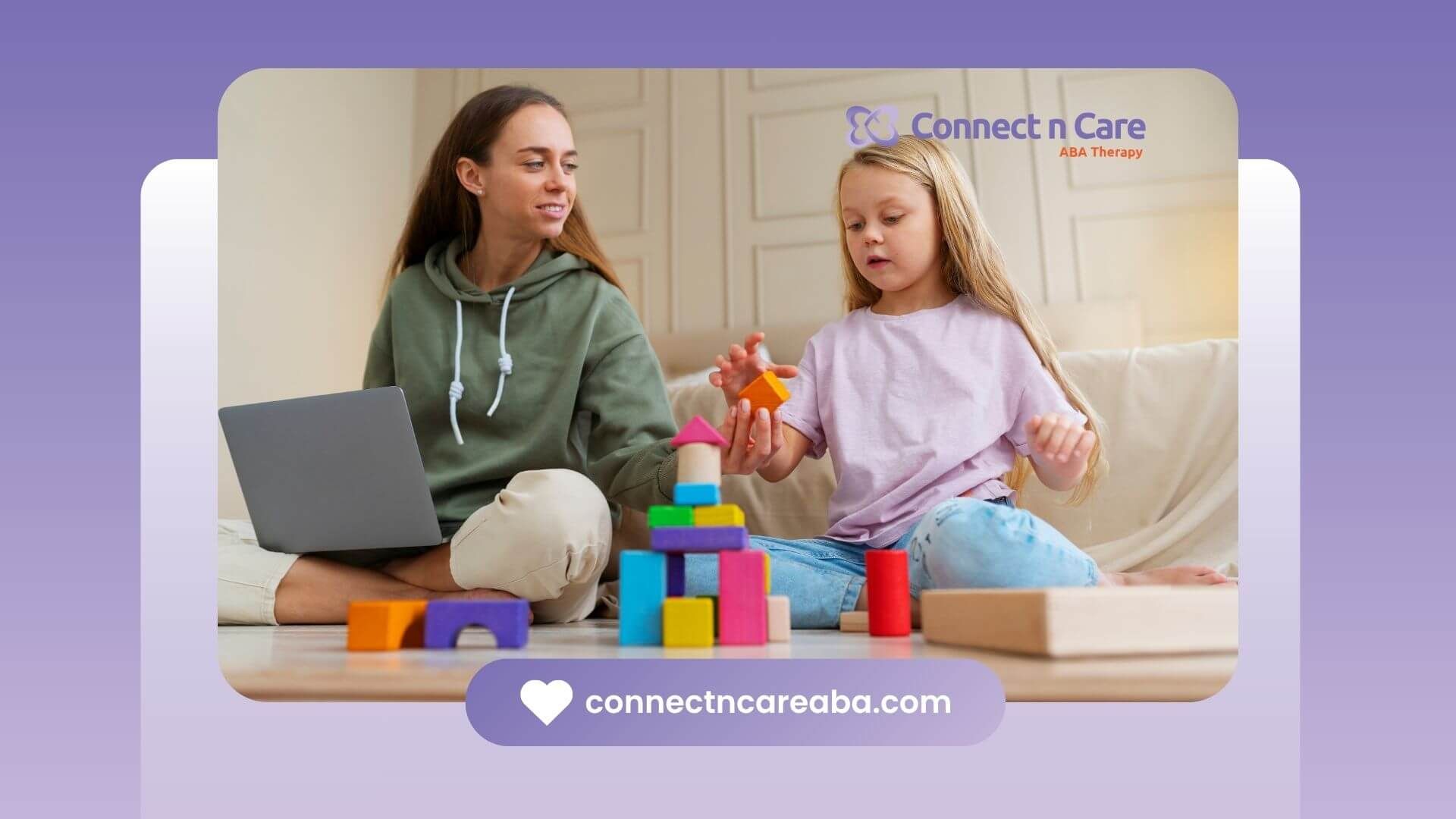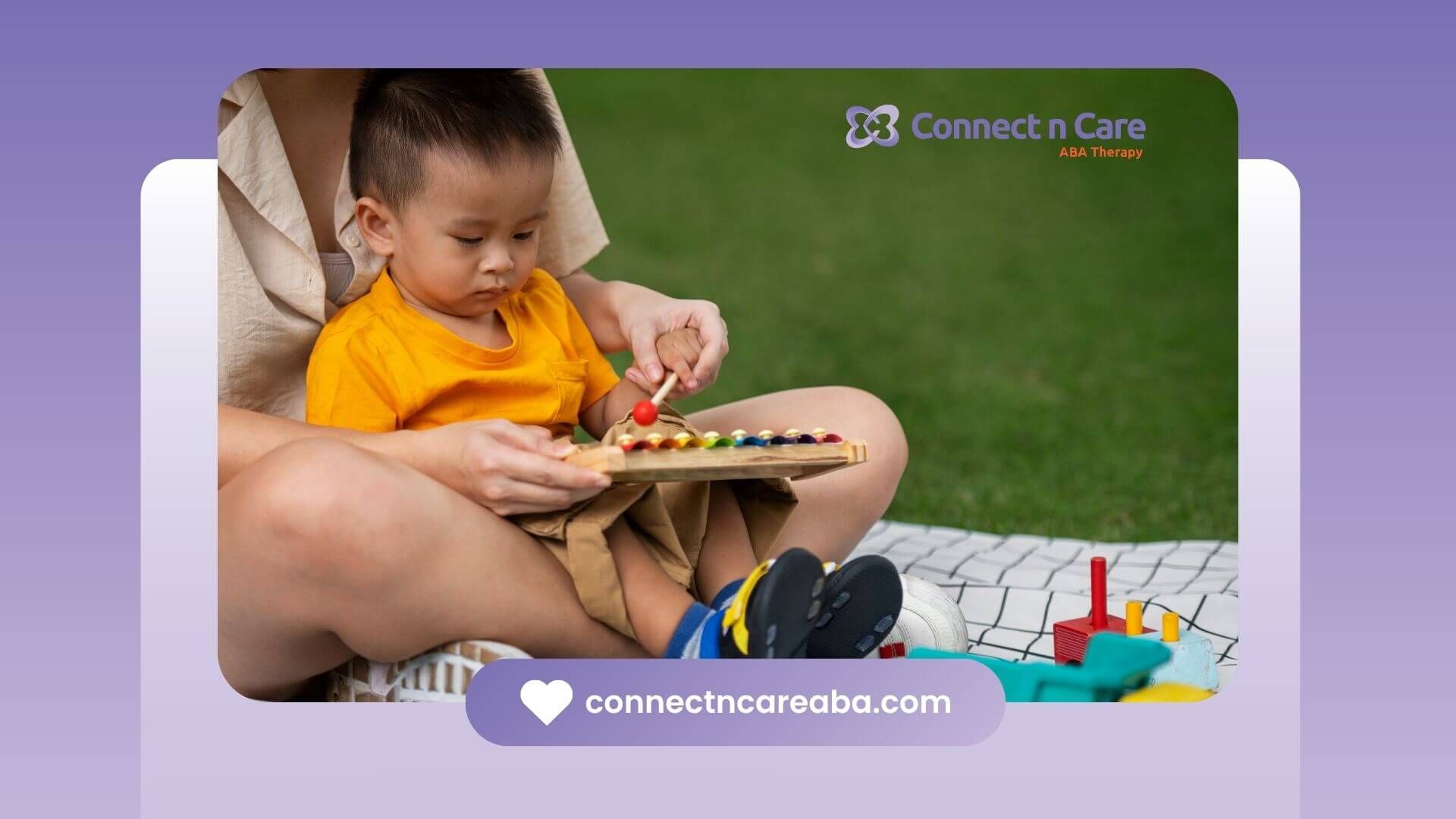
One of the most meaningful shifts I see in ABA therapy is confidence. Not just behavioral change.
It’s the moment a child completes a task independently and pauses before looking up with visible pride. It’s subtle, but powerful. That moment signals more than skill acquisition. It reflects ownership.
ABA therapy helps children develop a sense of accomplishment by systematically teaching skills in achievable steps, reinforcing effort, and building independence in a measurable way.
Over time, repeated mastery reshapes how a child sees themselves — from “I can’t” to “I can.”
I worked with a child who avoided handwriting tasks entirely in in-home ABA therapy. He would shut down before even attempting. We began by targeting micro-goals: tracing a single letter, then writing just the first letter of his name, then two letters.
Weeks later, he independently wrote his full name and said, quietly but firmly, “That’s mine.” That wasn’t just academic progress. That was self-efficacy forming in real time.
The Science Behind Accomplishment in ABA
At its core, Applied Behavior Analysis is grounded in measurable behavior change. But underneath the data sheets and treatment plans is something deeply human: the reinforcement of effort and competence.
Research consistently shows that mastery experiences are one of the strongest contributors to self-efficacy — the belief that one can successfully complete tasks. ABA therapy is uniquely structured to create those mastery experiences intentionally.
We do this by:
- Defining clear, observable goals
- Establishing baseline performance
- Breaking complex skills into smaller teachable components
- Providing immediate, meaningful reinforcement
- Systematically fading prompts to build independence
That structure reduces overwhelm and increases successful responding. Success, repeated consistently, builds internal confidence.
How ABA Therapy Creates Achievable Success
Before a child can feel accomplished, the task must feel possible.
Task Analysis: Reducing Overwhelm
Many children struggle not because they lack ability, but because tasks are presented as one large demand.
For example, “brush your teeth independently” involves:
- Locating toothbrush
- Applying toothpaste
- Turning on water
- Brushing all quadrants
- Rinsing
- Cleaning up
In ABA, we teach each component individually. When each step becomes manageable, the full routine becomes achievable.
I’ve watched children who once resisted hygiene routines begin initiating them independently. The accomplishment wasn’t just in brushing teeth — it was in realizing, “I can do this myself.”
Reinforcement and Motivation
Reinforcement is often misunderstood. It isn’t about bribery. It’s about strengthening the connection between effort and positive outcomes.
Early in intervention, reinforcement may be external — praise, tokens, preferred activities. Over time, as skills strengthen, we fade tangible reinforcers and natural consequences take over.
When a child completes a puzzle independently and receives authentic praise, the brain encodes effort as worthwhile. Eventually, the internal satisfaction becomes reinforcing on its own.
This transition from external reinforcement to intrinsic motivation is gradual and intentional.
Data as Validation of Growth
Objective measurement plays a critical role in building accomplishment.
When children see visual evidence of progress — whether it’s increased independence percentages or reduced prompt levels — growth becomes tangible.
I once graphed reading fluency data for a child who believed he was “bad at reading.” Over three months, his correct words per minute steadily increased. When I showed him the graph, he said, “That line keeps going up.” His tone shifted. So did his willingness to practice.
Data doesn’t just guide clinicians. It validates effort.
Independence: The Foundation of Real Confidence
True accomplishment comes from independence.
In ABA, we systematically fade prompts to ensure that the learner — not the therapist — controls the skill. This process might look like:
- Moving from physical guidance to gestural prompts
- From gestural to verbal prompts
- From verbal to independent responding
When a child completes a task without assistance after weeks of structured support, that moment carries weight. It reflects genuine mastery.
Independence fosters:
- Increased task persistence
- Reduced avoidance behaviors
- Stronger self-advocacy skills
- Greater resilience during challenges
These shifts extend far beyond therapy sessions.
Emotional Regulation and Accomplishment
Accomplishment isn’t limited to academic or daily living skills.
I’ve worked with children targeting emotional regulation — learning to use coping strategies instead of engaging in aggression or shutdown behaviors.
The first time a child independently requested a break rather than escalating, we celebrated. Not dramatically — but intentionally. That child had just replaced a maladaptive pattern with a functional one.
That is accomplishment.
Building replacement behaviors through ABA gives children tools they can use across environments. When they successfully regulate emotions, their confidence in handling difficult situations increases.
Addressing Common Concerns
“Does reinforcement prevent intrinsic motivation?”
When implemented correctly, no.
Reinforcement is systematically faded as independence increases. The ultimate goal is for natural consequences — social connection, task completion, personal pride — to maintain behavior.
“Isn’t accomplishment supposed to be organic?”
For many children receiving services, learning hasn’t historically felt successful. Structured support allows them to experience consistent success for perhaps the first time.
That structure doesn’t diminish authenticity. It enables it.
Long-Term Impact of Repeated Mastery
Repeated experiences of accomplishment create durable psychological shifts:
- Greater willingness to attempt new tasks
- Reduced fear of failure
- Improved peer interaction
- Enhanced academic engagement
- Increased independence in daily routines
When children accumulate success, their identity changes. They begin to see themselves as capable.
And that belief influences every new challenge they encounter.
Partnering With Families to Reinforce Accomplishment
Parents and caregivers play a vital role in maintaining this growth.
Strategies that strengthen a child’s sense of accomplishment at home include:
- Praising effort rather than perfection
- Allowing independent attempts before stepping in
- Maintaining consistent expectations
- Celebrating small milestones
Alignment between therapy and home environments accelerates confidence building.
Why ABA Therapy Helps Children Develop a Sense of Accomplishment
ABA therapy helps children develop a sense of accomplishment because it is intentionally designed to create measurable, repeatable success.
It breaks down complex goals into achievable steps.
It reinforces effort.
It builds independence systematically.
It validates growth objectively.
Over time, children internalize those successes.
At Connect N Care ABA, we design individualized programs that prioritize meaningful progress and authentic confidence building. We proudly serve families throughout North Carolina and Virginia, offering:
If you want your child to experience real, measurable accomplishment — built on evidence and delivered with compassion — contact us today. We’re here to help your child grow not only in skills, but in confidence that lasts.
FAQs
Can ABA help socially withdrawn children?
Yes. ABA teaches specific social skills and reinforces participation, helping children experience positive peer interactions.
Is ABA individualized?
Absolutely. Programs are tailored based on assessment, baseline data, and individual strengths and needs.
Can ABA improve resilience?
Repeated mastery experiences help children develop persistence and tolerance for challenges.
Can ABA improve self-esteem?
Yes. Repeated mastery experiences increase self-efficacy, which contributes to improved self-esteem and willingness to try new tasks.
Sources:
- https://pmc.ncbi.nlm.nih.gov/articles/PMC7874369/
- https://www.autismparentingmagazine.com/autism-and-self-esteem/
- https://onlinelibrary.wiley.com/doi/full/10.1002/ejsp.2297
- https://www.autismspeaks.org/applied-behavior-analysis
- https://pmc.ncbi.nlm.nih.gov/articles/PMC3196209/