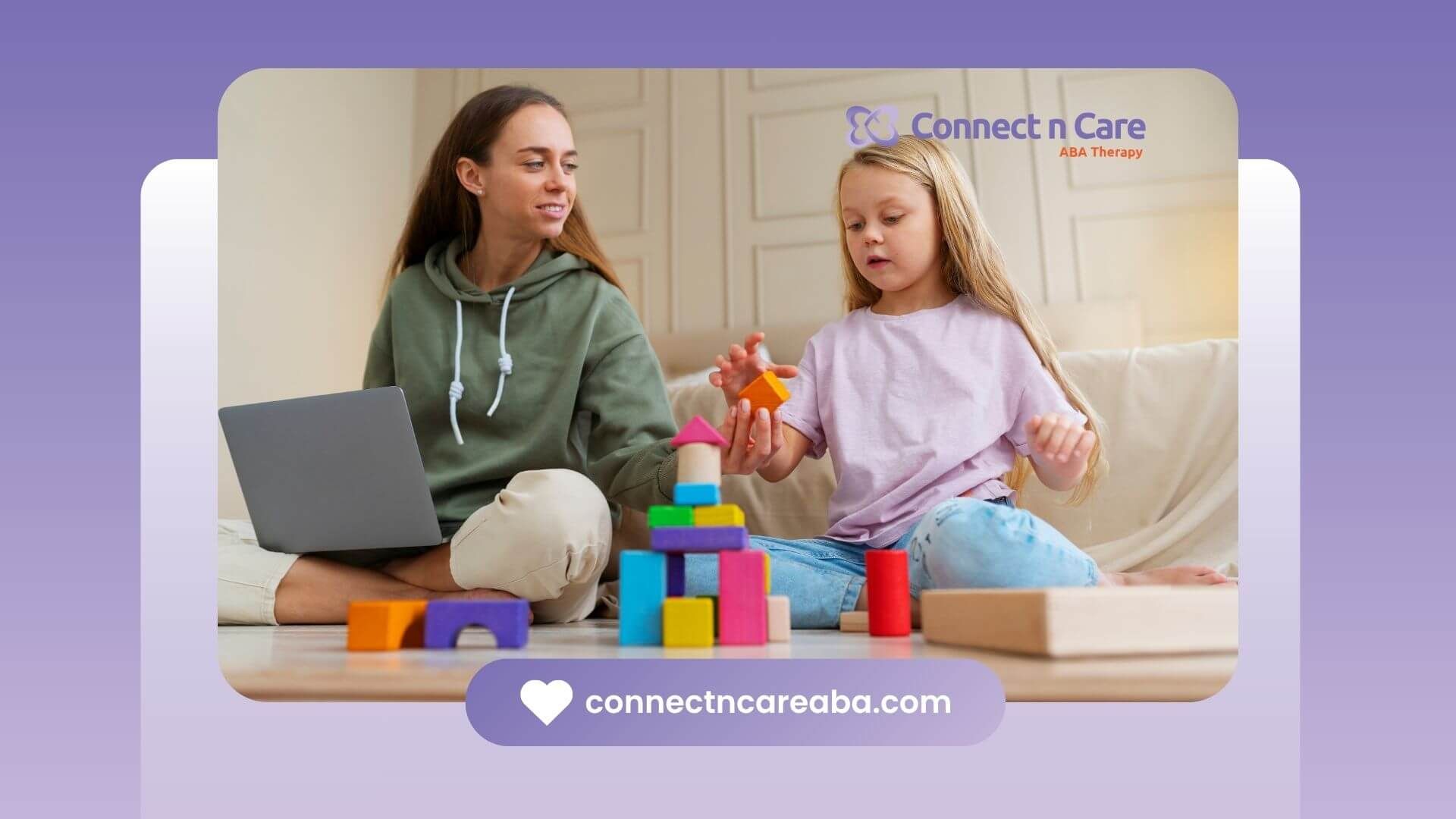
Do Parents Attend ABA with Siblings?

Yes, parents often attend ABA sessions, and involving siblings in therapy can be very beneficial for the whole family. When siblings join ABA sessions, they learn about autism firsthand and gain understanding of their brother or sister’s needs and challenges. This presence helps siblings become natural models of positive behavior, boosting social skills and empathy.


Parents attending sessions gain valuable skills to reinforce therapy techniques at home, ensuring consistency that speeds progress. Including siblings through joint activities or specific goals promotes teamwork, strengthens family bonds, and creates a supportive environment.


Accommodating siblings’ age, emotions, and involvement level is important. Therapists tailor sibling participation so it feels positive without causing overwhelm. Families that actively engage siblings report better communication and less jealousy or confusion.


At Connect n Care ABA in North Carolina, we encourage family-centered therapy, involving parents and siblings to maximize success and harmony. Contact us today to learn how we include siblings in your child’s ABA program.


FAQs

  • Why involve siblings in ABA sessions?

    Siblings learn, support, and model positive behavior, strengthening family bonds.

  • How do parents benefit from attending?

    Parents learn strategies to reinforce therapy at home.

  • Can sibling involvement be adjusted?

    Yes, therapists tailor roles based on family needs.
Fayge Orzel • November 21, 2025
Author name

Need Assistance? We’re Here to Help

Our expert team is ready to support your child’s development and well-being.

We are committed to offering tailored ABA therapy solutions that promote growth.

Contact us today for Professional ABA Therapy.

Get Started

Related posts

BCBA helping a young boy with homework using colorful markers at a desk during ABA therapy.
By Fayge Orzel January 10, 2026
Learn how to support siblings when one child receives ABA therapy, with routines that promote understanding, connection, and emotional balance at home.
Three teenage girls with autism sitting on a couch, each focused on their smartphones.
By Fayge Orzel January 9, 2026
Learn how parents can support autistic children in using social media safely, building digital literacy while balancing connection, privacy, and mental health.
BCBA and boy with autism smiling and talking at a table in ABA therapy.
By Fayge Orzel January 9, 2026
Learn how ABA therapy approaches stimming by understanding behavior, teaching functional alternatives, and supporting communication and emotional regulation.
Young boy with autism outdoors with arms outstretched, smiling joyfully.
By Fayge Orzel January 9, 2026
High energy in autistic kids isn’t random. Discover how movement helps with emotional regulation, sensory needs, and mental overload—and what parents can do.
More Posts