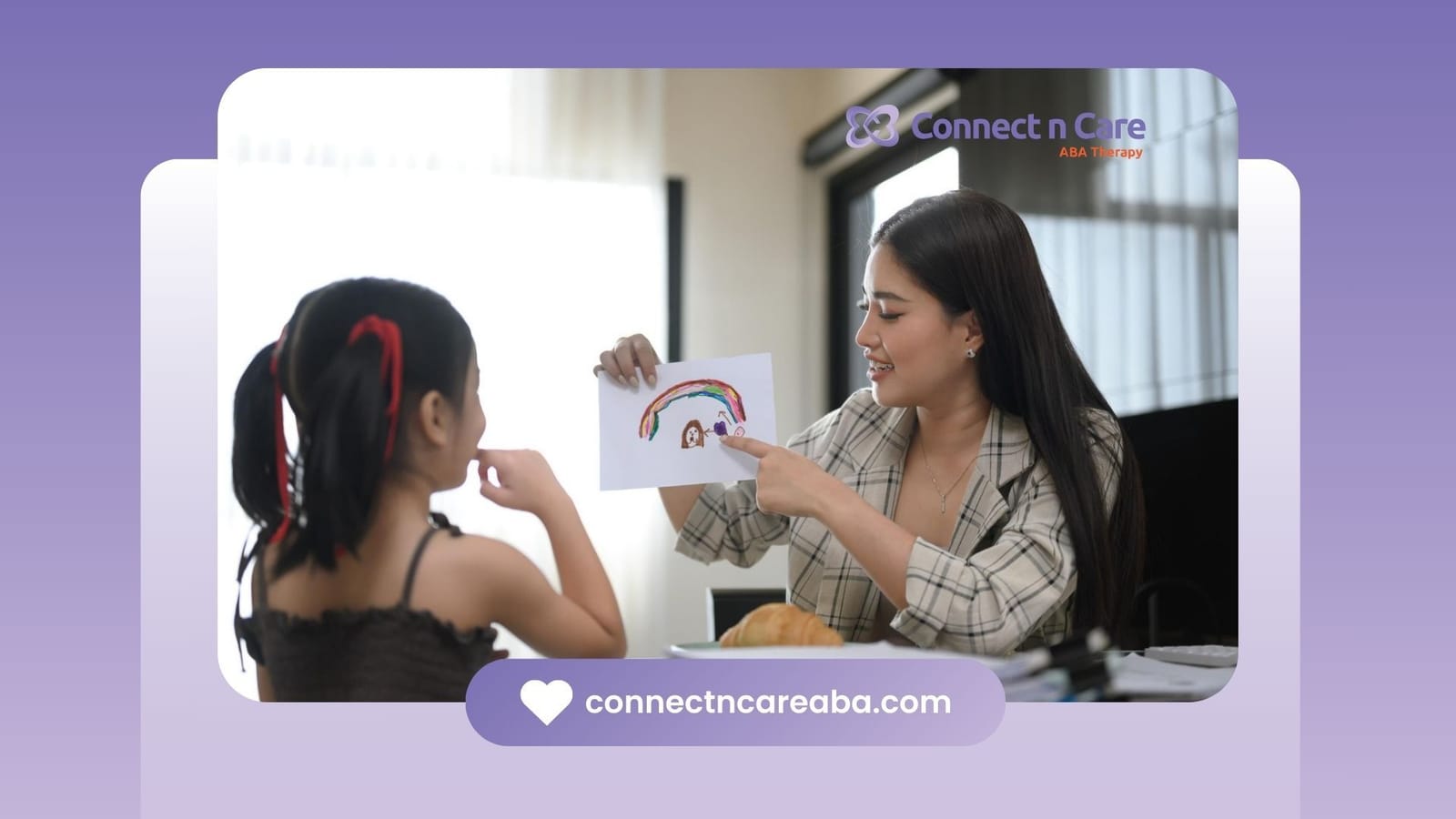


Raising an autistic child comes with unique challenges and rewards, and the language we use plays a critical role in their development. By choosing empowering words, parents and caregivers can significantly impact their child’s self-esteem, confidence, and overall well-being.
In this article, we’ll explore how positive language can unlock your child’s potential, fostering a nurturing environment where they can thrive.
Understanding Autism
Autism, or Autism Spectrum Disorder (ASD), is a developmental condition characterized by challenges in social interaction, communication, and behavior. The spectrum nature of autism means that it affects individuals in various ways and to differing degrees.
Some may require significant support, while others can lead independent lives. Understanding autism is essential for parents and caregivers, as it helps them better support their autistic children.
The Importance of Positive Language
Type of Language | Impact |
|---|---|
Positive Language | Encourages self-esteem and confidence |
Negative Language | Can lead to feelings of inadequacy and low self-worth |
Empowering Words | Promotes a sense of capability and independence |
Using positive language is crucial when discussing autism. The words chosen can significantly influence how an autistic child perceives themselves and their abilities. Empowering words can foster self-esteem, promote resilience, and encourage independence. The impact of language extends beyond the individual, influencing perceptions within the family and the wider community.
By focusing on strengths and potential rather than limitations, caregivers can nurture a more positive self-image in autistic children. This shift in language can enhance overall development and well-being, leading to a healthier and more fulfilling life.
The Power of Words
Words hold significant power, especially when it comes to shaping the self-perception of an autistic child. The language used by parents, caregivers, and family members can greatly influence how a child views themselves and their abilities. Understanding this impact is essential for fostering a positive environment.
How Words Impact Self-Perception
Language Type | Effect on Self-Perception |
|---|---|
Positive Affirmations | Boosts confidence and encourages a sense of self-worth |
Descriptive Strengths | Highlights individual talents and unique abilities |
Negative Labels | Can lead to feelings of shame or reduced self-esteem |
The language used around an autistic child can either uplift or diminish their self-esteem. Empowering language helps children see their strengths and abilities, leading to a healthier self-image. Conversely, negative language can lead to feelings of inadequacy and low self-worth.
The following table illustrates the impact of different types of language on self-perception:
Choosing words that highlight strengths can significantly enhance a child's view of themselves. This includes focusing on what they can do rather than what they struggle with.
The Role of Affirmation in Development
Type of Affirmation | Benefits |
|---|---|
Personal Strengths | Encourages pride in achievements and abilities |
Overcoming Challenges | Fosters a growth mindset and resilience |
Daily Encouragement | Provides emotional support and boosts motivation |
Affirmations play a crucial role in the growth and development of an autistic child. Positive affirmations reinforce a child's sense of identity and can influence their emotional and social development. Regularly using supportive language can help build resilience and encourage them to embrace their individuality.
Here are the benefits of using affirmations:
Incorporating affirmations into daily interactions allows children to internalize positive messages, leading to long-term benefits in their overall development. By consistently using empowering words, parents and caregivers can help build a strong foundation for their child's self-esteem and personal growth.
Empowering Words to Use
Choosing the right words can significantly influence the self-esteem and development of an autistic child. Here are some empowering words that can be used to highlight strengths and encourage independence.
Descriptive Words for Strengths
Strength Category | Empowering Words |
|---|---|
Creativity | Imaginative, Artistic, Innovative |
Intelligence | Insightful, Analytical, Observant |
Social Skills | Friendly, Engaging, Empathetic |
Problem-Solving | Resourceful, Clever, Determined |
Resilience | Strong, Brave, Tenacious |
Using descriptive language to acknowledge a child's unique abilities fosters a positive self-image. Here are some empowering adjectives that can be applied to describe strengths:
These words serve to celebrate the child's individuality and encourage them to embrace their strengths.
Words that Encourage Independence
Independence Focus | Encouraging Words |
|---|---|
Decision-Making | You can choose, It’s your choice |
Problem-Solving | Let’s figure this out together, You can solve this |
Self-Care | You can do this on your own, You are capable of taking care of yourself |
Social Interaction | You have friends who care, You can talk to others |
Goal Setting | You can achieve this, Let’s set a goal together |
Encouraging independence in an autistic child is crucial for their development. Utilizing specific phrases can promote self-sufficiency and confidence. Here are some empowering phrases that can be used:
These phrases help instill a sense of capability and autonomy in the child, fostering independence as they grow.
Creating a Positive Environment
Creating a nurturing and supportive environment is essential for the development of an autistic child. This involves fostering a space where empowering language is used daily, reinforcing their strengths and encouraging growth.
Building a Supportive Atmosphere
A supportive atmosphere can significantly impact an autistic child’s self-esteem and overall well-being. Parents and caregivers should focus on creating a space that celebrates individuality and promotes acceptance.
Here are key elements to consider:
- Open Communication : Encourage open dialogue about feelings and experiences.
- Routine and Structure : Establish a consistent schedule to provide security.
- Positive Reinforcement : Use praise to acknowledge achievements and efforts.
- Acceptance and Understanding : Foster acceptance within the family and community.
By integrating these elements, the environment becomes a haven that allows the child to thrive.
Incorporating Empowering Language Daily
Integrating empowering language into daily interactions is crucial for reinforcing positive self-perception. This can be achieved through the use of specific phrases and words that highlight strengths and capabilities.
Below are examples of empowering phrases:
- Affirmations : "You are unique and special."
- Encouragement : "I believe in your abilities."
- Acknowledging Efforts : "I am proud of how hard you worked."
- Highlighting Strengths : "Your creativity is amazing."
Using these empowering words consistently helps to build confidence and encourages the child to embrace their identity. By focusing on strengths and capabilities, parents and caregivers can create a positive narrative around their child's autism.
Communicating with Others
Effective communication with family, friends, and the broader community is essential for supporting an autistic child. Using empowering language can significantly influence the child’s self-esteem and help others understand their unique strengths.
Talking to Family and Friends
Positive Language | Impact |
|---|---|
"She is creative." | Highlights creativity as a strength. |
"He has a unique perspective." | Emphasizes individuality and value. |
"They are great problem solvers." | Focuses on critical thinking skills. |
"She is determined." | Recognizes persistence and effort. |
When discussing an autistic child with family and friends, it is vital to use language that emphasizes their abilities and potential. This approach fosters a positive perception and encourages supportive relationships.
Encouraging family and friends to adopt this empowering language can create a more inclusive environment. Providing examples of positive phrases can help them understand how to speak about the child in a supportive manner.
Advocating for Your Child
Advocacy Strategies | Description |
|---|---|
Share Strengths | Start conversations by highlighting the child's strengths and interests. |
Use Positive Descriptors | Utilize empowering terms such as "enthusiastic" or "thoughtful" to describe the child. |
Educate Others | Provide information on autism to help others understand and appreciate the child’s unique qualities. |
Encourage Participation | Invite others to engage with the child based on their interests and strengths. |
Advocacy involves not only speaking up for the rights and needs of an autistic child but also framing discussions positively. Parents and caregivers should feel confident in using empowering language when communicating with teachers, healthcare providers, and community members.
By employing these strategies, parents and caregivers can effectively advocate for their child, ensuring that they are seen and treated as individuals with unique capabilities. The impact of positive language extends beyond the child, fostering a more accepting and understanding community.
Resources for Parents and Caregivers
Finding the right resources can significantly support parents, caregivers, and family members of autistic children. This section will highlight valuable books and articles on positive language, as well as support groups and communities that can provide assistance.
Books and Articles on Positive Language
Title | Author/Source | Description |
|---|---|---|
"The Power of Words" | Anonymous | Discusses the impact of language on self-esteem and development. |
"Positive Language for Children" | Dr. Jane Smith | Explores techniques for using affirming words in daily interactions. |
"Empowering Your Autistic Child" | Various Authors | A collection of essays on fostering independence through language. |
"Encouraging Communication" | Parenting Magazine | Offers tips on how to communicate positively with autistic children. |
Reading materials can offer insights and strategies for using empowering words effectively. Below is a selection of notable titles and articles that focus on positive language for autistic children.
Support Groups and Communities
Group/Community | Focus | Description |
|---|---|---|
Parent Support Network | Autism Awareness | A community for sharing experiences and resources among parents. |
Empowering Parents | Positive Language | Focused on teaching positive communication strategies. |
Autism Caregivers Group | Emotional Support | Offers emotional support and shared resources for caregivers. |
Online Forums for Autism | General Support | A platform for discussing challenges and sharing advice. |
Connecting with others can provide support and understanding. Below is a list of organizations and communities where parents and caregivers can find resources and share experiences.
These resources can empower parents and caregivers to use positive language effectively, enhancing communication and support for their autistic children.
Conclusion
Creating a supportive environment for your autistic child begins with the words you choose. Empowering language can build their confidence, promote independence, and help them embrace their strengths.
At Connect N Care, we understand the importance of positive communication in fostering growth and development. Our ABA therapy services are designed to support your child’s unique needs, offering personalized care that encourages their potential. Let's work together to help your child thrive— reach out to Connect N Care today to learn more about our compassionate approach to ABA therapy.