Gaining the attention of an autistic person often requires patience, understanding, and tailored approaches. The key is to meet them where they are and use clear, gentle, and supportive techniques.
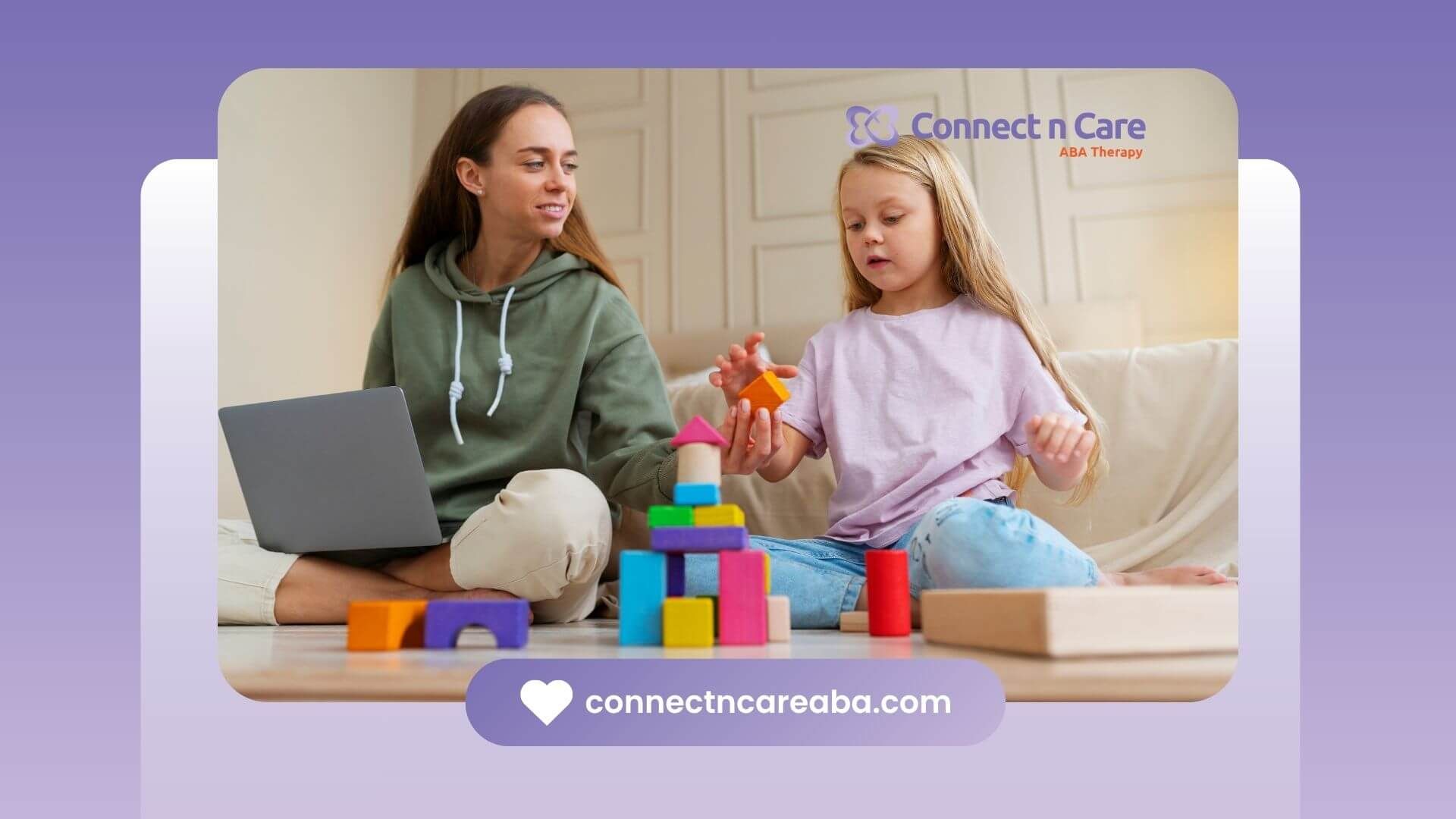
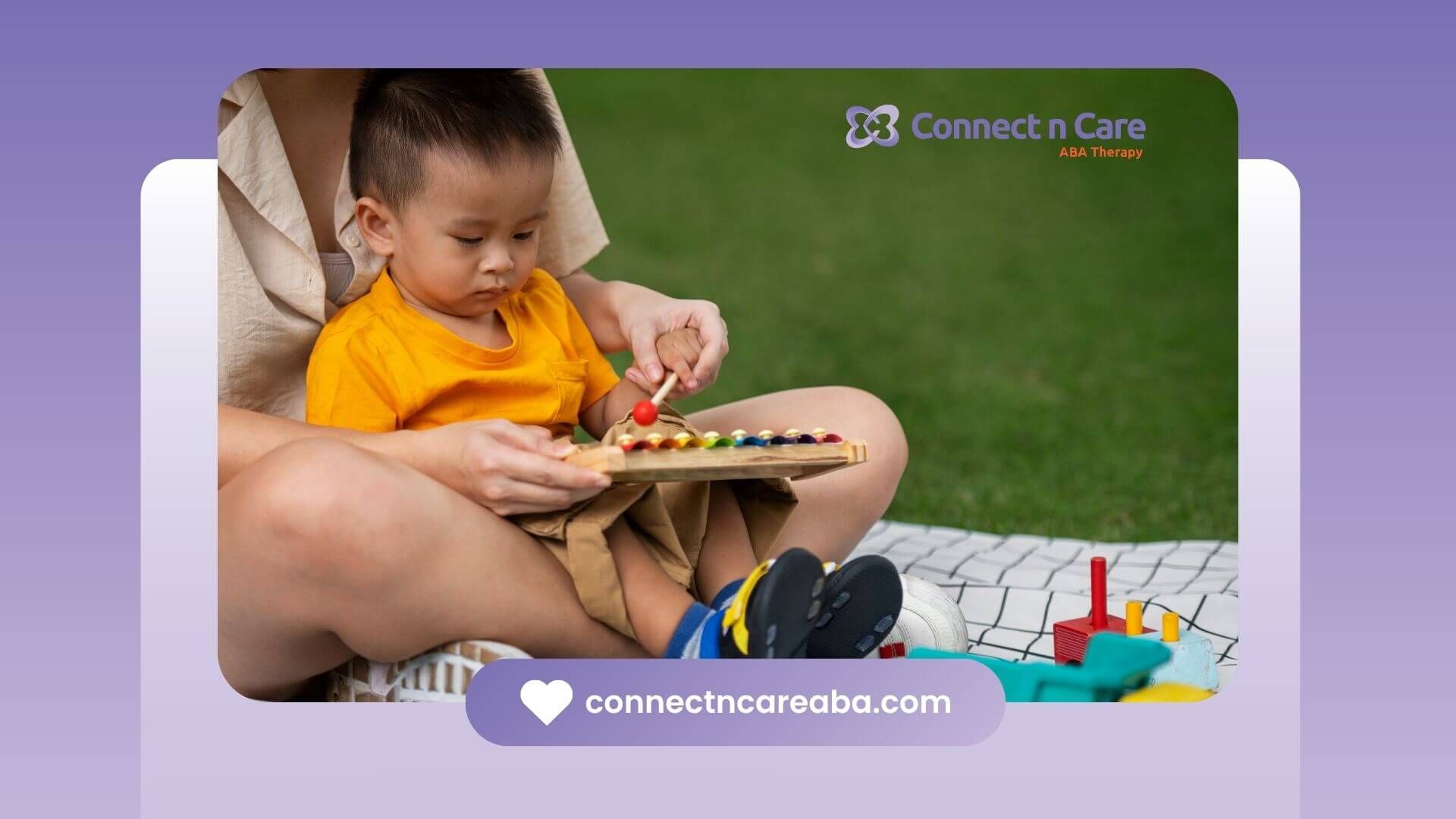
Start by using their interests to engage them. If they love trains or puzzles, introduce your communication around those topics. This naturally draws focus. Use calm, friendly cues like softly calling their name, a gentle tap on the shoulder, or visual signals such as pictures or gestures—not harsh or loud interruptions.
Reducing distractions helps too. Turn off background noise and find a quiet, comfortable space to talk. Keep your language simple and break instructions into small steps. Give them enough time to process and respond; rushing may cause stress or shutdown.
Positive reinforcement after they respond encourages repeated engagement. Consistent practice of these strategies improves joint attention, an essential social skill for connection and communication.
Families in North Carolina can find expert support at Connect n Care ABA. Contact us today to schedule a consultation and start building meaningful communication with your loved one.
FAQs:
How can you gain an autistic person's attention?
Use interests, gentle cues, reduce distractions, and give positive reinforcement.
Why is patience important?
Autistic individuals need extra processing time to shift attention.
Can visual supports help?
Yes, pictures and gestures clarify communication and draw focus.
Should I use loud or sudden cues?
No, gentle and calm cues are more effective and less stressful.
Where can I get help for communication challenges?
Contact Connect n Care ABA in North Carolina for personalized support.
Sources:
- https://www.simplypsychology.org/positive-reinforcement.html
- https://raisingchildren.net.au/autism/communicating-relationships/communicating/paying-attention-asd
- https://www.focusbear.io/blog-post/asd-distraction-techniques-for-enhanced-focus
- https://reframingautism.org.au/all-about-autistic-shutdown-guide-for-allies/