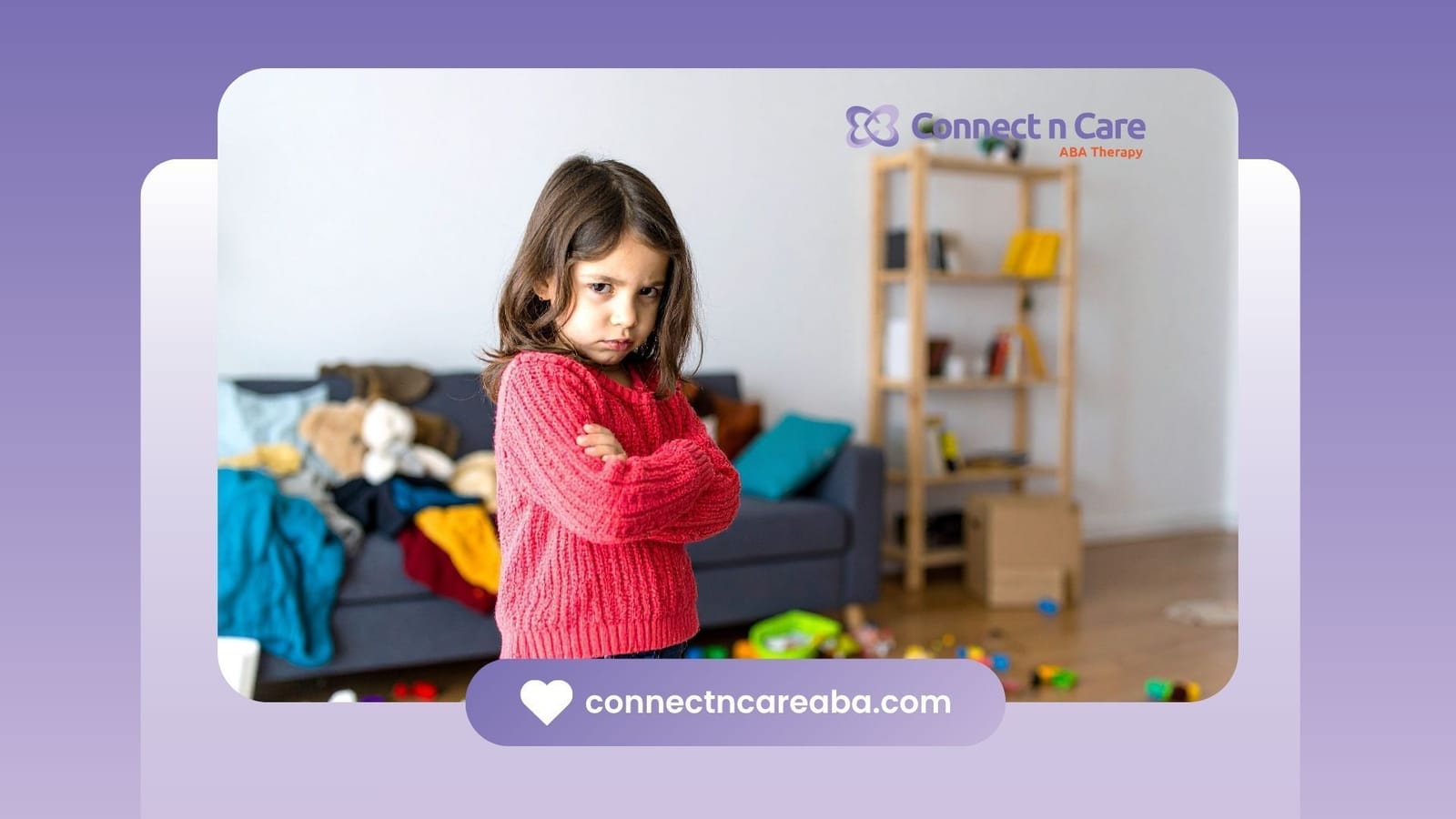


What relaxes autism? Many strategies and techniques help autistic individuals find calm and reduce anxiety by addressing sensory needs and promoting self-regulation.
What Relaxes Autism? Quick Overview
Relaxation for autism often involves sensory-based approaches like deep pressure therapy using weighted blankets or vests, deep breathing exercises, and creating calm sensory environments. These techniques reduce anxiety, sensory overload, and meltdowns.
Effective Relaxation Techniques
- Deep Pressure Therapy: Applying firm, gentle pressure can soothe the nervous system. Weighted blankets and compression clothing are common tools.
- Deep Breathing Exercises: Simple breathing methods help regulate emotions and body responses, improving focus and lowering stress.
- Creating Safe Spaces: Quiet, low-stimulation environments offer autistic individuals a retreat when overwhelmed.
- Sensory Tools: Fidget toys, noise-canceling headphones, and calming visual aids redirect attention and soothe sensory distress.
Studies show relaxation techniques improve self-regulation, reduce anxiety, and promote better sleep in autistic children. Individual needs vary, so personalized approaches are essential.
What relaxes autism depends on the person, but evidence-based strategies provide effective relief. At Connect n Care ABA in North Carolina, we create personalized plans to help autistic individuals relax and thrive. Call us to learn more.
FAQs
@media all{.gcoIvd{display:-webkit-box;display:-webkit-flex;display:-ms-flexbox;display:flex;gap:8px;-webkit-align-items:center;-webkit-box-align:center;-ms-flex-align:center;align-items:center;-webkit-box-pack:justify;-webkit-justify-content:space-between;-ms-flex-pack:justify;justify-content:space-between;padding:16px;padding-top:16px;padding-bottom:16px;background:#f2f2f2;}}/*!sc*/ @media all{.OQhew{aspect-ratio:1 / 1;width:32px;border-radius:50%;padding:4px;background-color:#000;color:#e3e3e3;height:32px;}}/*!sc*/ @media (min-width:1025px){}/*!sc*/ @media (max-width:1024px) and (min-width:768px){}/*!sc*/ @media (max-width:767px){}/*!sc*/ @media all{.nXtpH{width:100%;height:100%;-webkit-transition:-webkit-transform 0.3s ease-in-out;-webkit-transition:transform 0.3s ease-in-out;transition:transform 0.3s ease-in-out;display:-webkit-box;display:-webkit-flex;display:-ms-flexbox;display:flex;-webkit-flex-direction:column;-ms-flex-direction:column;flex-direction:column;position:relative;}}/*!sc*/ @media all{.dygwmn{overflow:hidden;-webkit-transition:max-height 0.3s ease-out;transition:max-height 0.3s ease-out;height:auto;max-height:0;}}/*!sc*/ @media all{.chjLlT{padding:16px;padding-top:16px;padding-bottom:16px;margin:0;display:-webkit-box;display:-webkit-flex;display:-ms-flexbox;display:flex;-webkit-flex-direction:row;-ms-flex-direction:row;flex-direction:row;-webkit-box-pack:start;-webkit-justify-content:flex-start;-ms-flex-pack:start;justify-content:flex-start;gap:24px;-webkit-align-items:flex-start;-webkit-box-align:flex-start;-ms-flex-align:flex-start;align-items:flex-start;-webkit-flex-wrap:wrap;-ms-flex-wrap:wrap;flex-wrap:wrap;}}/*!sc*/ @media (max-width:767px){.chjLlT{-webkit-flex-direction:column;-ms-flex-direction:column;flex-direction:column;}}/*!sc*/ @media all{.hzZYLO{display:-webkit-box;display:-webkit-flex;display:-ms-flexbox;display:flex;-webkit-flex-direction:column;-ms-flex-direction:column;flex-direction:column;gap:16px;text-align:start;-webkit-flex:1;-ms-flex:1;flex:1;}}/*!sc*/ data-styled.g2[id="sc-gEvEer"]{content:"gcoIvd,OQhew,nXtpH,dygwmn,chjLlT,hzZYLO,"}/*!sc*/ @media all{.cqCbBg{-webkit-flex:1;-ms-flex:1;flex:1;}}/*!sc*/ data-styled.g3[id="sc-eqUAAy"]{content:"cqCbBg,"}/*!sc*/ @media all{.kOipFV{cursor:pointer;}}/*!sc*/ data-styled.g6[id="sc-iGgWBj"]{content:"kOipFV,"}/*!sc*/ @media all{.fLipYU{list-style-type:none;overflow:hidden;margin:0;padding:0;display:-webkit-box;display:-webkit-flex;display:-ms-flexbox;display:flex;-webkit-flex-direction:column;-ms-flex-direction:column;flex-direction:column;gap:24px;}}/*!sc*/ data-styled.g7[id="sc-gsFSXq"]{content:"fLipYU,"}/*!sc*/ @media all{.bxaZdP{-webkit-transition:all 0.5s ease-in-out;transition:all 0.5s ease-in-out;fill:currentColor;height:100%;width:100%;}}/*!sc*/ data-styled.g8[id="sc-kAyceB"]{content:"bxaZdP,"}/*!sc*/ @media all{#dm#dm#dm .koUZrS.koUZrS{margin:0;display:-webkit-box;display:-webkit-flex;display:-ms-flexbox;display:flex;gap:8px;-webkit-align-items:center;-webkit-box-align:center;-ms-flex-align:center;align-items:center;-webkit-flex:1;-ms-flex:1;flex:1;text-align:start;}}/*!sc*/ @media all{#dm#dm#dm .TTVEz.TTVEz p{margin-block:0;overflow-wrap:anywhere;}}/*!sc*/ data-styled.g9[id="sc-imWYAI"]{content:"koUZrS,TTVEz,"}/*!sc*/
- What relaxes autism?Deep pressure, breathing exercises, and sensory tools often help reduce anxiety and meltdowns.
- How does deep pressure help?It soothes the nervous system with calming firm touch, reducing sensory overload.
- Are breathing exercises useful for autism?Yes, they help regulate emotions and improve focus.
- What sensory tools calm autistic individuals?Weighted blankets, noise-canceling headphones, and fidget toys provide calming input.
;window?.waitForDeferred?.('ssrLibrariesLoaded', () => {window.SSRRuntime.RuntimeReactHelpers.initiateWidget({"type":"SSR_ACCORDION","props":{"layout":"LAYOUT_1","itemsData":[{"title":"What relaxes autism?","desc":"
Deep pressure, breathing exercises, and sensory tools often help reduce anxiety and meltdowns.
","button":{"text":"Button"},"showButton":false,"showMedia":false},{"title":"How does deep pressure help?","desc":"
It soothes the nervous system with calming firm touch, reducing sensory overload.
","button":{"text":"Button"},"showButton":false,"showMedia":false},{"title":"Are breathing exercises useful for autism?","desc":"
Yes, they help regulate emotions and improve focus.
","button":{"text":"Button"},"showButton":false,"showMedia":false},{"title":"What sensory tools calm autistic individuals?","desc":"
Weighted blankets, noise-canceling headphones, and fidget toys provide calming input.
","button":{"text":"Button"},"showButton":false,"showMedia":false}],"firstExpanded":false,"closeOthers":true,"addSchemaMarkup":false,"titleTag":null,"_styles":{},"widgetId":"1962473092"},"id":"1962473092"}, false)});
Sources:
- https://pmc.ncbi.nlm.nih.gov/articles/PMC9601143/
- https://harkla.co/blogs/special-needs/deep-pressure-therapy
- https://www.healthline.com/health/breathing-exercise
- https://napacenter.org/sensory-toys-ot/
< Older Post
Newer Post >