Key Highlights
- Building sibling support in ABA therapy strengthens family bonds and creates a nurturing home.
- Open communication and age-appropriate education help siblings understand autism and their role.
- Involving siblings in therapy activities and family routines fosters teamwork and empathy.
- Creating a supportive environment means balancing attention and providing emotional support for all children.
- Sibling involvement in ABA therapy helps reinforce skills and promotes positive lifelong relationships.
- Practical strategies and professional guidance are key to building effective sibling support systems.
When one child begins ABA therapy, it often reshapes the rhythm of the entire household. I’ve worked with many families who are deeply committed to supporting their child in therapy—yet quietly worry about how it’s affecting their other children. Siblings notice changes quickly: new schedules, increased structure, and extra attention focused on therapy goals.
What I’ve learned over time is this—when siblings are intentionally supported and included, ABA therapy can actually strengthen family relationships rather than strain them. Building a thoughtful sibling-support routine helps all children feel valued, reduces resentment, and creates a home environment where growth feels shared instead of isolating.
How ABA Therapy Influences the Whole Family
ABA therapy doesn’t exist in a vacuum. While it’s designed to support one child’s development, it naturally affects family dynamics, routines, and emotional balance.
How Therapy Impacts Parents and Siblings
Parents often find themselves juggling ABA therapy schedules, data tracking, and advocacy—while trying to meet the emotional needs of everyone at home. Siblings, meanwhile, may feel proud of their brother or sister’s progress but also confused, frustrated, or left out.
I’ve heard siblings say things like, “Why does he get extra help?” or “Why do plans change so much?” These questions aren’t selfish—they’re signals that siblings need reassurance, information, and connection.
When siblings are invited into the process in healthy, age-appropriate ways, they’re far more likely to feel included rather than overlooked.
Common Experiences for Siblings
Siblings of children receiving ABA therapy often experience a mix of emotions, including:
- Jealousy over perceived unequal attention
- Frustration with disrupted routines
- Embarrassment during public situations
- Pressure to be “the easy child”
- A sense of responsibility beyond their age
These reactions are normal. Ignoring them doesn’t make them disappear—it often makes them louder. A sibling-support routine creates space for these feelings while guiding them toward empathy and resilience.
Why a Sibling-Support Routine Is So Important
A sibling-support routine provides structure, predictability, and emotional safety for all children in the home. When routines are clear and inclusive, siblings know what to expect—and where they belong.
In practice, these routines don’t need to be complex. What matters most is consistency and intention. Small, repeated moments of inclusion build trust over time.
Benefits of a sibling-support routine include:
- Stronger sibling bonds
- Reduced resentment or confusion
- More natural skill generalization for the child in therapy
- Improved emotional regulation across the family
- A shared sense of teamwork rather than division
Helping Siblings Understand ABA Therapy and Autism
Understanding builds empathy. When siblings know why therapy exists and how autism affects their brother or sister, they’re far more likely to respond with patience instead of frustration.
Talking About ABA in Age-Appropriate Ways
The way you explain ABA therapy should match your child’s developmental level.
- For young children:
“Your sister plays special games to help her learn how to talk and play.” - For school-aged children:
“ABA helps your brother practice skills so things like school and friendships feel easier.” - For teens:
“ABA therapy helps your sibling build independence and manage challenges they may face long-term.”
Encourage questions. When siblings feel safe asking why, they’re less likely to create their own (often inaccurate) explanations.
Explaining Autism with Honesty and Respect
Autism can be explained as a different way of thinking, sensing, and experiencing the world. I often suggest using real-life examples siblings already notice—like sensitivity to noise, difficulty with transitions, or strong interests.
Reading books or watching short videos together about autism can open the door to meaningful conversations. It also reinforces the idea that differences are not flaws—they’re part of being human.
Building Empathy Through Ongoing Conversation
Empathy isn’t a one-time lesson; it’s built over time. Family check-ins or weekly meetings give siblings a chance to express both pride and frustration.
When parents model empathy—by validating feelings instead of minimizing them—children learn to do the same with each other.
Including Siblings in Daily Routines and Therapy
Sibling involvement should always feel supportive, never forced. Their role is to be siblings first—not co-therapists.
Simple Ways to Involve Siblings
In collaboration with your ABA team, siblings can be included in low-pressure ways, such as:
- Joining a short game at the end of a session
- Modeling greetings or turn-taking
- Helping choose a preferred activity
- Offering praise when goals are met
I’ve seen siblings beam with pride when they’re given small, meaningful roles—especially when their effort is acknowledged.
Creating Shared Family Routines
Shared routines build connection. These might include:
- Family dinners
- Game nights
- Morning or bedtime rituals
- Weekend outings
When everyone participates, no one feels sidelined. These routines also offer natural opportunities to practice communication, patience, and cooperation.
Setting Healthy Expectations
Clear boundaries matter. Siblings should know:
- They are not responsible for therapy outcomes
- Participation is optional and flexible
- Their feelings matter just as much
Giving siblings choices—“Do you want to help with the game or play nearby?”—empowers them and prevents burnout.
Activities That Support Skills and Connection
Sibling-support activities work best when they feel like play, not therapy.
Skill-Building Through Play
Some easy, effective ideas include:
- Cooperative board games
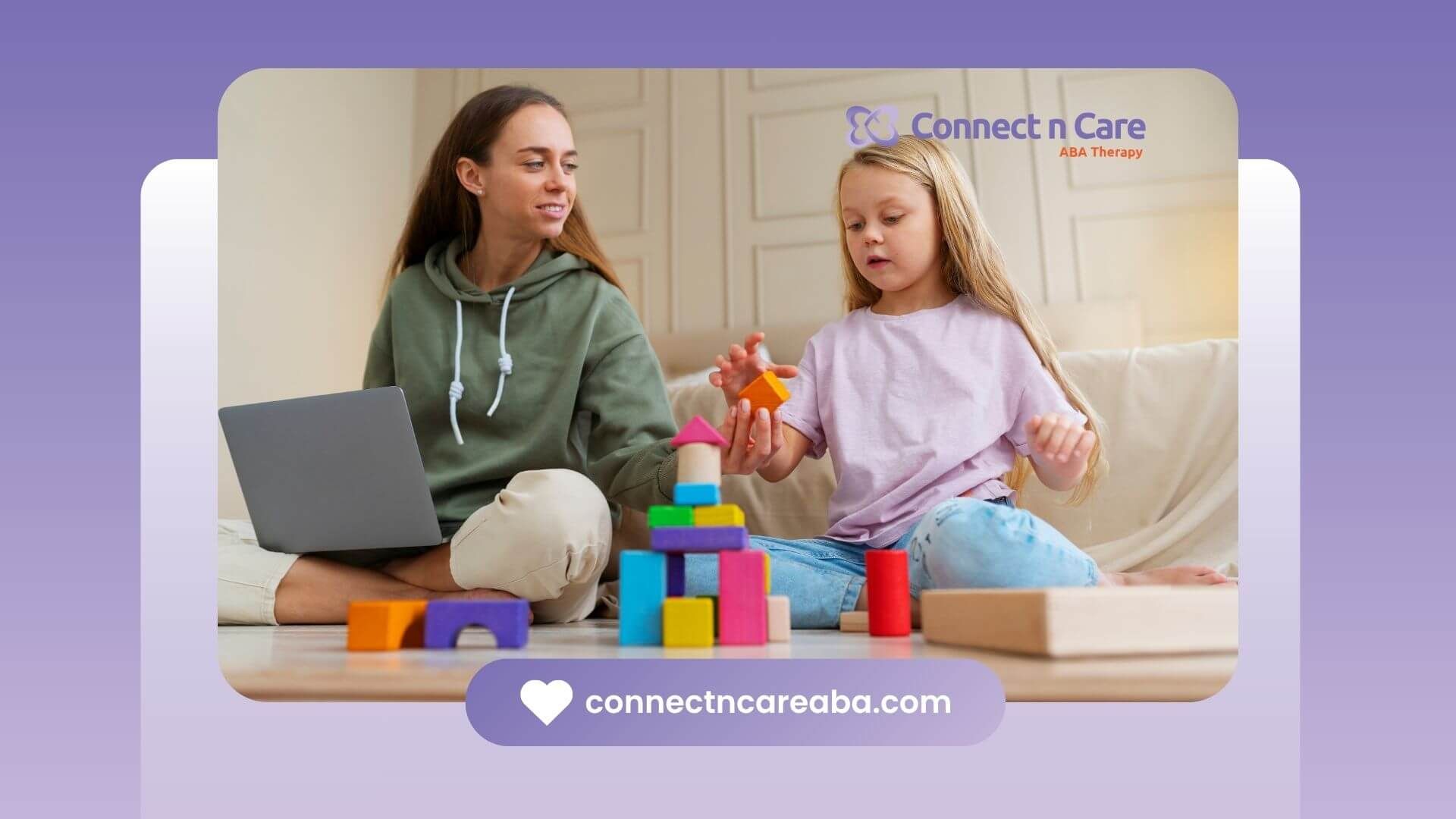
- Building projects
- Cooking or baking together
- Pretend play or role-playing
- Sensory activities like playdough or water play
These activities naturally support skills like turn-taking, communication, and emotional regulation—without pressure.
Using Everyday Moments as Learning Opportunities
Daily life offers endless opportunities for growth:
- Setting the table → following steps
- Grocery shopping → social interaction
- Getting ready → transitions and flexibility
When siblings model skills during these moments, learning becomes organic and lasting.
Balancing Attention and Preventing Resentment
One of the most important (and hardest) parts of this journey is ensuring every child feels seen.
Prioritizing One-on-One Time
Even brief, consistent one-on-one time can make a big difference. Let siblings choose the activity and keep it predictable. These moments reassure them that they are just as important.
Addressing Feelings of Neglect or Favoritism
When siblings express frustration, listen without defensiveness. Acknowledging their experience builds trust.
Celebrating everyone’s achievements—not just therapy milestones—helps balance the emotional landscape at home.
Supporting Siblings Through Challenges
Siblings need support too. Encouraging emotional expression and resilience protects their well-being long-term.
Common Sibling Concerns and How to Respond
| Concern | Support Strategy |
|---|---|
| Feeling overlooked | Schedule individual time |
| Embarrassment | Role-play responses |
| Feeling responsible | Reinforce boundaries |
| Frustration | Validate feelings openly |
Teaching siblings how to express emotions using “I” statements also strengthens communication across the family.
Professional and Community Support
Families don’t have to do this alone.
Partnering With Your ABA Team
ABA therapists can help guide sibling involvement, offer family training, and ensure participation stays positive and appropriate.
Finding Sibling Support Groups
Sibling groups provide a powerful sense of belonging. Connecting with peers who understand their experience reduces isolation and builds confidence.
Long-Term Benefits of Sibling Inclusion
When siblings are supported early, the benefits last well beyond childhood:
- Deeper empathy
- Stronger communication
- Resilient family bonds
- Lifelong sibling connection
I’ve seen siblings grow into advocates, allies, and trusted supports—because they were included, not sidelined.
Conclusion: How We Support Families at Connect N Care ABA
At Connect N Care ABA, we believe ABA therapy works best when the entire family is supported. Siblings are not an afterthought—they are an essential part of the child’s world and long-term success.
We proudly serve families across North Carolina and Virginia.
Our services are designed to meet families where they are, including:
- ABA therapy at home
- School-based ABA therapy
- Center-based ABA therapy
- ABA parent training, supporting caregivers and siblings alike
If you’re navigating how to support all of your children while one receives ABA therapy, we’re here to help.
Contact Connect N Care ABA today to schedule a consultation and learn how we can support your entire family with compassionate, individualized care.
Frequently Asked Questions
What can parents do if siblings resist participating in routines?
If a sibling resists, start with open communication to understand their feelings. Avoid pressure and instead offer choices in how they participate. Use positive reinforcement to praise any cooperation, no matter how small. It's important to validate their feelings and ensure their involvement in family life feels supportive, not forced.
How do I keep sibling support meaningful as children grow older?
As children age, adapt their roles to match their maturity. Shift from simple games to more collaborative responsibilities or discussions about advocacy. Continue to foster open communication about their evolving sibling relationships and ensure the nurturing environment supports their personal growth, strengthening family bonds in new ways.
Are there local resources or support groups for siblings of children in ABA?
Yes, many communities offer sibling support groups. Check with your ABA provider, local autism organizations, or hospitals for professional guidance on finding them. These groups provide a supportive family environment where siblings can connect with peers and learn coping strategies from others who understand their experiences.
Sources:
- https://www.autism.org.uk/advice-and-guidance/topics/family-life-and-relationships/family-life/siblings
- https://www.autismspeaks.org/siblings
- https://www.autismparentingmagazine.com/autism-siblings-support/
- https://iidc.indiana.edu/irca/articles/siblings-perspectives-some-guidelines-for-parents.html
- https://pmc.ncbi.nlm.nih.gov/articles/PMC8264626/