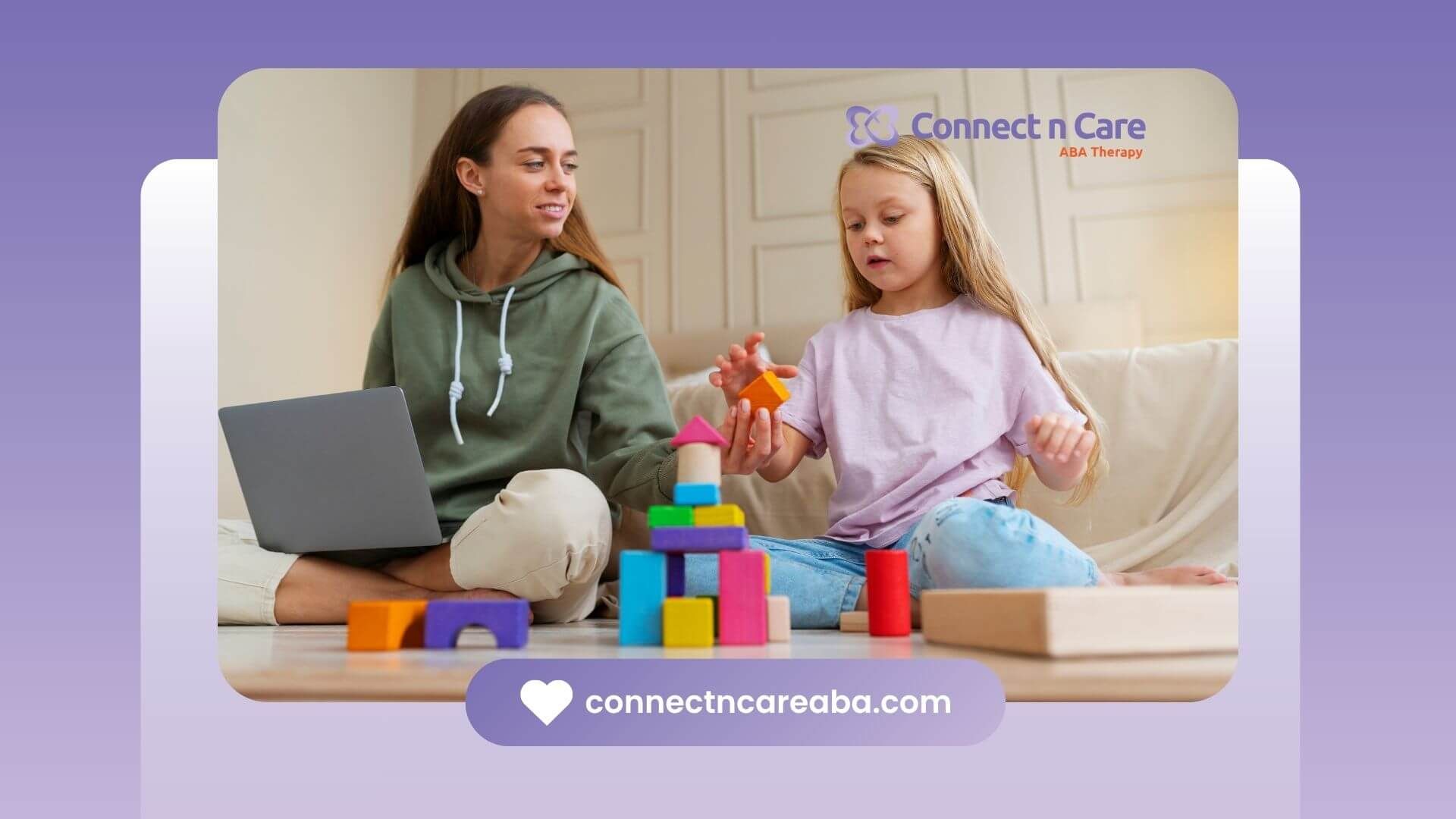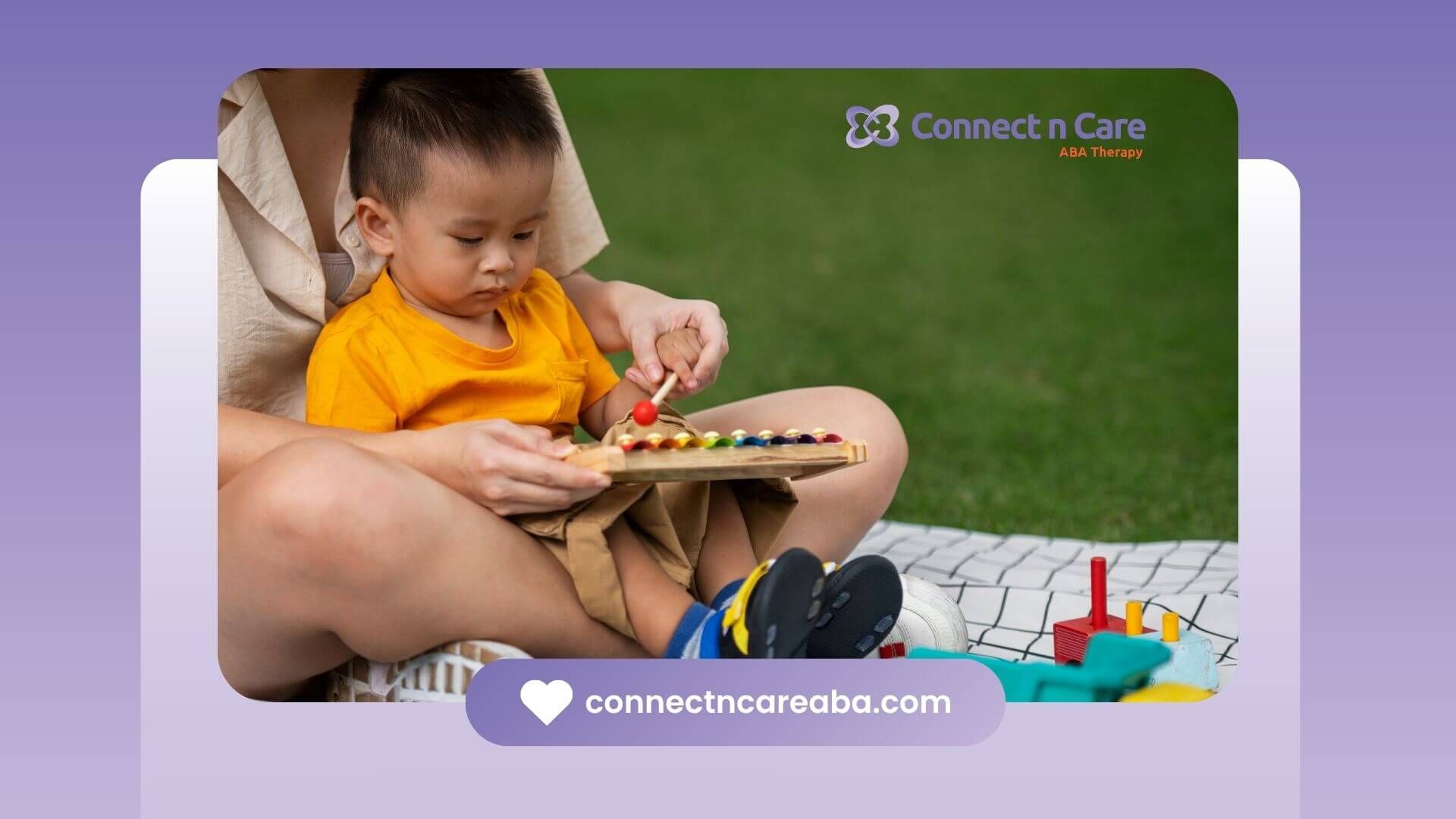
There’s no scientific evidence that screen time causes autism. Autism spectrum disorder (ASD) is a neurodevelopmental condition with strong genetic and prenatal factors. However, excessive screen time, especially in early childhood can impact social development, language skills, and attention, which may mimic or intensify autism-like behaviors.
Experts recommend limiting passive screen use for toddlers and encouraging interactive play, face-to-face communication, and physical activity. These experiences are essential for developing social and emotional skills. While screens can be educational when used appropriately, they should never replace human interaction, especially during critical developmental years.
If a child shows signs of delayed speech, reduced eye contact, or difficulty engaging with others, it’s important to seek a professional evaluation. Early intervention can make a significant difference, whether the cause is autism or another developmental concern.
At Connect n Care ABA, we help families navigate developmental questions with clarity and compassion through ABA therapy in North Carolina.
To schedule a personalized assessment and learn how ABA therapy can support your child’s growth. Contact us today!
SOURCES:
https://www.cdc.gov/autism/signs-symptoms/index.html#:~:text=Autism%20spectrum%20disorder%20(ASD)%20is,%2C%20moving%2C%20or%20paying%20attention.
https://www.mayoclinic.org/diseases-conditions/autism-spectrum-disorder/symptoms-causes/syc-20352928
https://www.psychiatry.org/patients-families/autism/what-is-autism-spectrum-disorder
https://en.wikipedia.org/wiki/Autism
https://www.ncbi.nlm.nih.gov/books/NBK525976/