
Helping a child with autism transition to sleeping alone can be a challenging but rewarding process. Establishing a consistent and comforting sleep routine is crucial for their overall well-being and development. In this guide, we will explore effective strategies to support your child in developing the skills and confidence to sleep independently.
Understanding Sleep Challenges in Autism
Children with autism often face unique sleep challenges, including difficulty falling asleep, frequent night awakenings, and shorter sleep durations. Sensory sensitivities, anxiety, and difficulty with transitions can contribute to these issues.
How to Create a Comfortable Sleep Environment
A sensory-friendly bedroom can significantly improve sleep quality for children with autism. Consider the following tips:
Soft Lighting
Use dimmable lights or nightlights to create a calming atmosphere.
Comfortable Bedding
Choose soft, hypoallergenic bedding to enhance comfort.
Noise Control
Use white noise machines or earplugs to block out disruptive sounds.
Temperature Regulation
Keep the room cool and well-ventilated to prevent overheating.
Establishing a Consistent Bedtime Routine
A predictable bedtime routine helps signal your child that it’s time to wind down and prepare for sleep. Follow these steps to create an effective routine:
Set a Consistent Bedtime
Aim for the same bedtime each night to regulate your child’s internal clock.
Relaxing Activities
Incorporate calming activities such as reading a book, taking a warm bath, or listening to soft music.
Limit Screen Time
Avoid screens at least an hour before bed to reduce stimulation and promote melatonin production.
Steps to Encourage Independent Sleep
Transitioning your child to sleep alone can be a gradual process. Here’s how to approach it:
Start with Co-Sleeping or Room Sharing
Begin by sleeping in the same room as your child, either in their bed or in a separate bed. This helps them feel secure while they adjust to sleeping in their own space.
Move to Chair Method
Gradually move further away from your child’s bed each night. Start by sitting in a chair next to their bed, then move the chair closer to the door, and eventually out of the room.
Encourage Self-Soothing
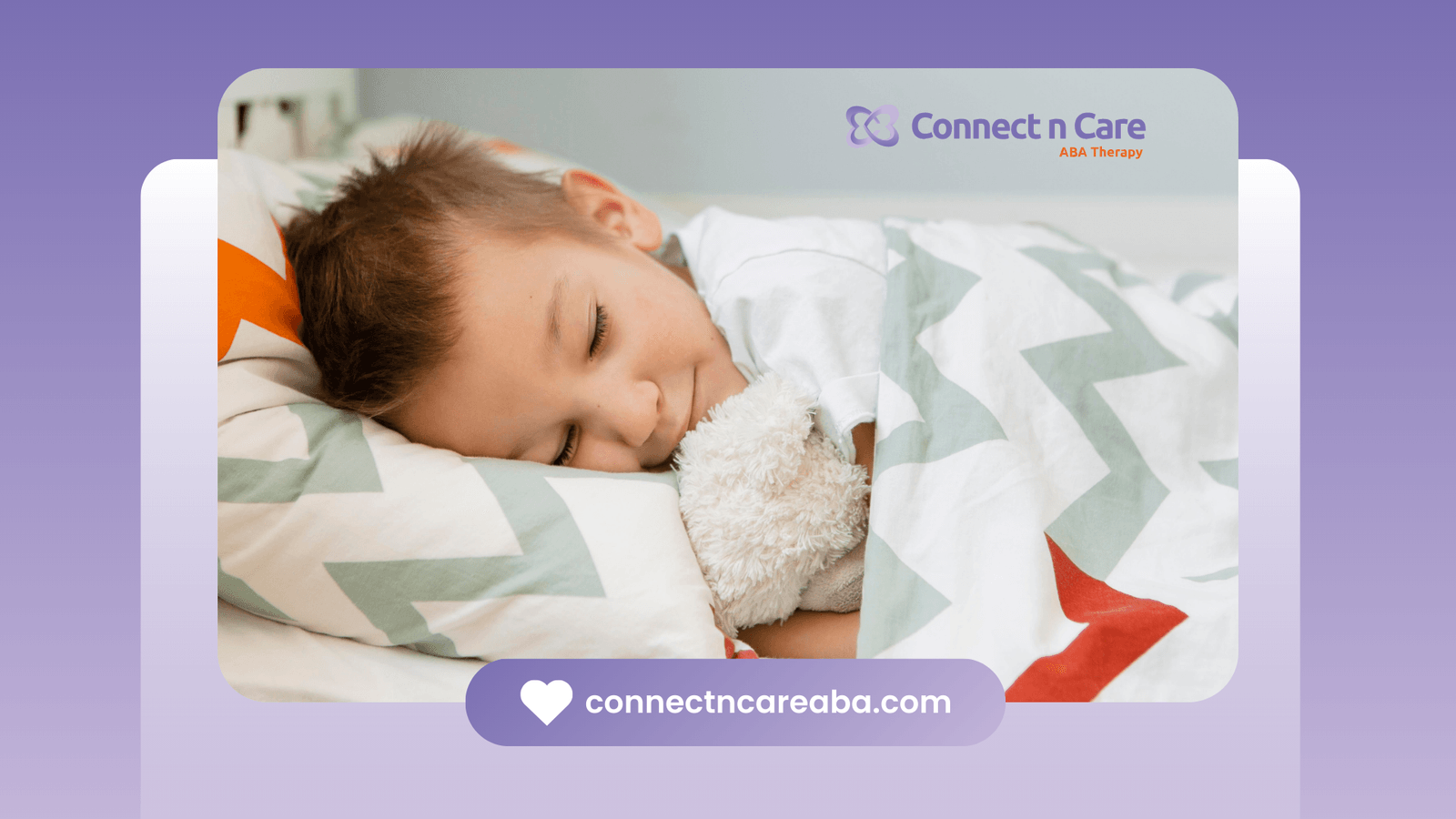
Teach your child self-soothing techniques such as hugging a favorite stuffed animal, using a weighted blanket, or practicing deep breathing exercises .
Handling Middle-of-the-Night Awakenings
It’s common for children with autism to wake up during the night. Here’s how to manage it:
Stay Calm and Consistent
Respond to night wakings in a calm and consistent manner. Avoid engaging in stimulating activities or conversations.
Use Visual Schedules
Create a visual schedule that outlines the nighttime routine, including what to do if they wake up during the night.
Reinforce Positive Behavior
Praise and reward your child for staying in their bed and using self-soothing techniques.
When to Seek Professional Help
If your child’s sleep issues persist despite your efforts, consider seeking professional support. Behavioral therapists , pediatricians, and sleep specialists can offer additional strategies and interventions tailored to your child’s needs.
Conclusion
Training kids with autism to sleep alone requires patience, consistency, and a supportive approach. By creating a sensory-friendly environment, establishing a bedtime routine, and gradually encouraging independent sleep, you can help your child develop healthy sleep habits.
At Connect N Care ABA, we offer personalized ABA services for families of autistic children in North Carolina. Reach out to us today to discover how our services can aid in fostering your child's sleep habits and overall well-being.