When a child is newly diagnosed with autism, parents often tell me the same thing: “I don’t even know what to ask.” That feeling is completely normal. In those early days, the right questions can bring clarity, reduce fear, and help you take meaningful next steps.
Below are the most important, specific questions I encourage parents to ask after an autism diagnosis, based on years of walking this path alongside families.
Questions to ask right after an autism diagnosis
The diagnosis itself is just information. What matters most is what comes next.
What does this diagnosis mean for my child?
Autism looks different in every child. Ask providers to explain how the diagnosis shows up in your child’s communication, behavior, learning style, and daily life—not just in general terms.
I often remind parents: two children can share the same diagnosis and need completely different supports.
What strengths should we build on?
This question gets overlooked, and it matters more than people realize. Ask about your child’s interests, motivators, and natural abilities. Those strengths are often the key to learning and connection.
Some of the biggest breakthroughs I’ve seen started with a child’s favorite toy, song, or routine.
What therapies are recommended right now—and why?
Be specific here. Ask:
- Which autism therapies are most appropriate at this age?
- How many hours per week are typically helpful?
- What goals should therapy focus on first?
Understanding why a service is recommended helps parents feel more confident and less overwhelmed.
How will we measure progress?
This is a big one. Ask how progress will be tracked and how often goals will be reviewed. You deserve clear, honest answers—not vague reassurance.
Progress doesn’t always look dramatic. Sometimes it’s shorter meltdowns, smoother transitions, or one new word at a time.
What can we do at home to help?
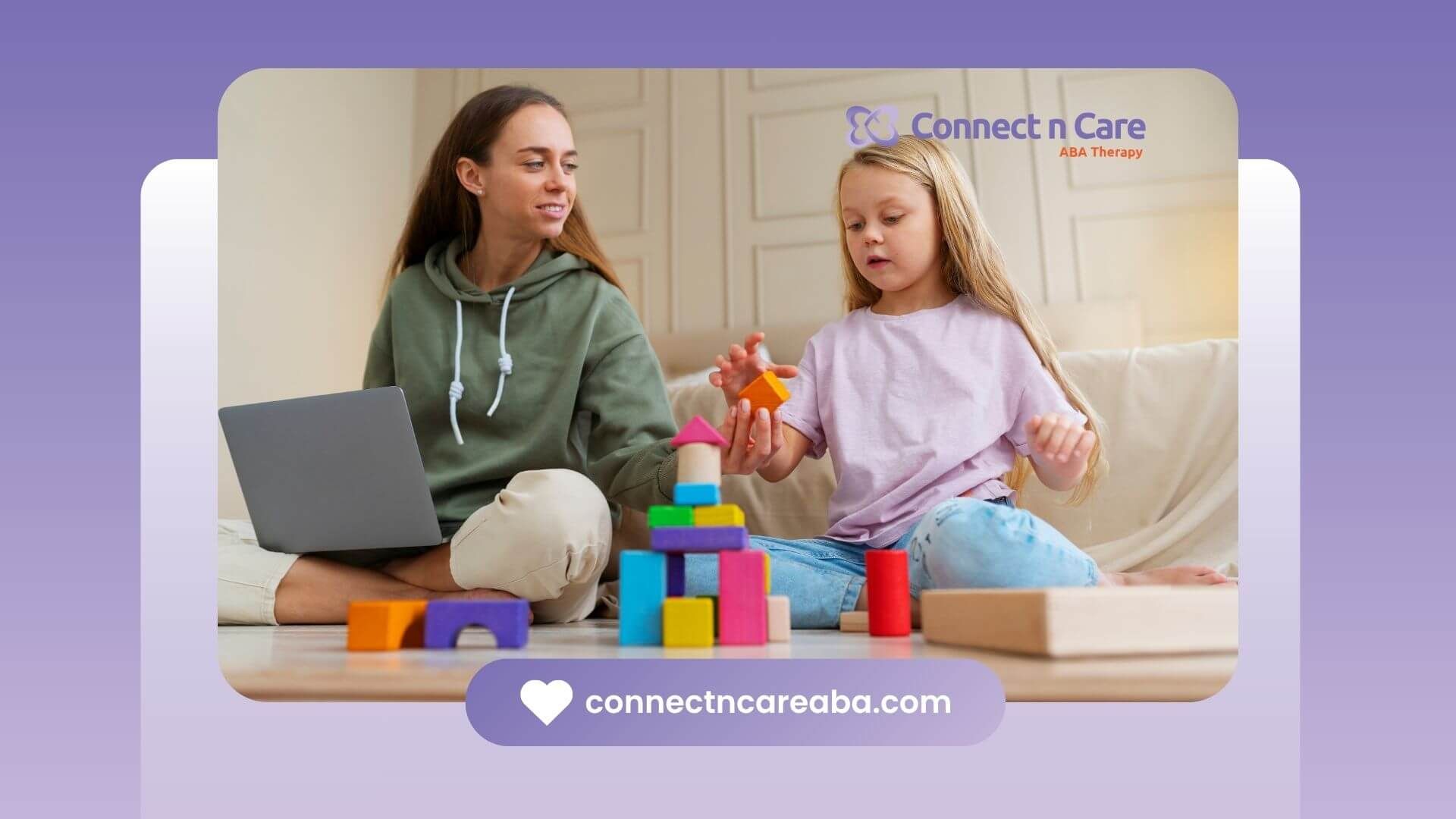
Parents are the most important part of a child’s support system. Ask what strategies you can use during daily routines like meals, playtime, and bedtime.
I’ve seen real change when parents feel empowered instead of sidelined.
Questions about school and daily life
Autism doesn’t exist in a vacuum—it affects school, family life, and routines.
What should we tell the school or daycare?
Ask what supports your child may need in learning environments and how to advocate for them. Early communication with schools can prevent a lot of stress later.
What challenges might come next?
This isn’t about fear—it’s about preparation. Ask what challenges often show up as children grow and how to spot them early.
When parents know what to watch for, they can act sooner and with more confidence.
A supportive next step
At Connect N Care ABA, we support families navigating those first questions after diagnosis every day. We work with families across North Carolina and Virginia, offering care that’s practical, compassionate, and personalized.
Our services include:
- ABA therapy at home to support skills in everyday routines
- School-based ABA therapy to help children succeed in learning environments
- Center-based ABA therapy for structured, goal-focused support
- ABA parent training so parents feel confident supporting progress at home
If your child was recently diagnosed and you’re wondering what to do next, we’re here to help you turn questions into a clear plan.
Contact Connect N Care ABA today to speak with our team and take the next step forward—together.
FAQs
What is the first thing parents should do after an autism diagnosis?
Learn what the diagnosis means for your child specifically and explore recommended therapies as early as possible.
Should parents start therapy right away after diagnosis?
Early support is often helpful, but decisions should be based on your child’s needs, age, and family goals.
Is it normal to feel overwhelmed after an autism diagnosis?
Yes. Most parents feel overwhelmed at first. With the right guidance and support, confidence grows over time.
Sources:
- https://www.autismspeaks.org/autism-diagnostic-criteria-dsm-5
- https://www.ncbi.nlm.nih.gov/books/NBK573609/
- https://www.aap.org/en/patient-care/autism/autism-diagnosis-in-primary-care/
- https://my.clevelandclinic.org/health/articles/autism-therapies
- https://www.healthychildren.org/English/health-issues/conditions/Autism/Pages/Diagnosing-Autism.aspx
- https://www.jcfs.org/blog/first-steps-after-receiving-autism-diagnosis